
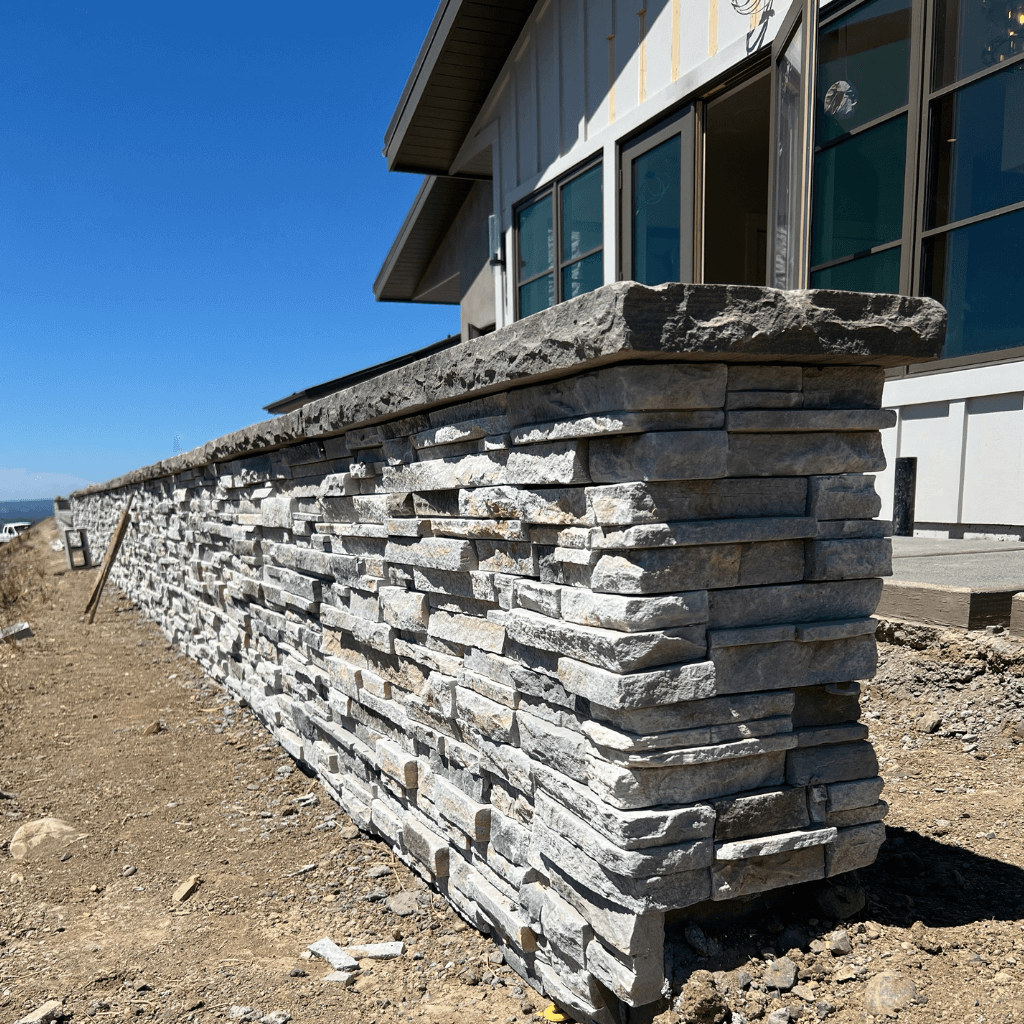
Thin Stone Veneer Installation
Achieving the look of full depth stone without added structural weight requires careful planning and skilled execution.
From surface preparation to stone placement, professional installation ensures the veneer looks natural, remains secure, and holds up over time. The difference isn’t just the material used; it’s how it’s installed.
What is thin stone?
Designed to replicate the look of full depth stone without the added weight, thin stone veneer is available in both natural and manufactured varieties.
It’s commonly used on fireplaces, exterior facades, entryways, and accent walls where a natural stone appearance is desired but traditional masonry isn’t practical.
The result is a versatile material that maintains the character and texture people expect from real stone.
Why professional thin stone veneer installation matters
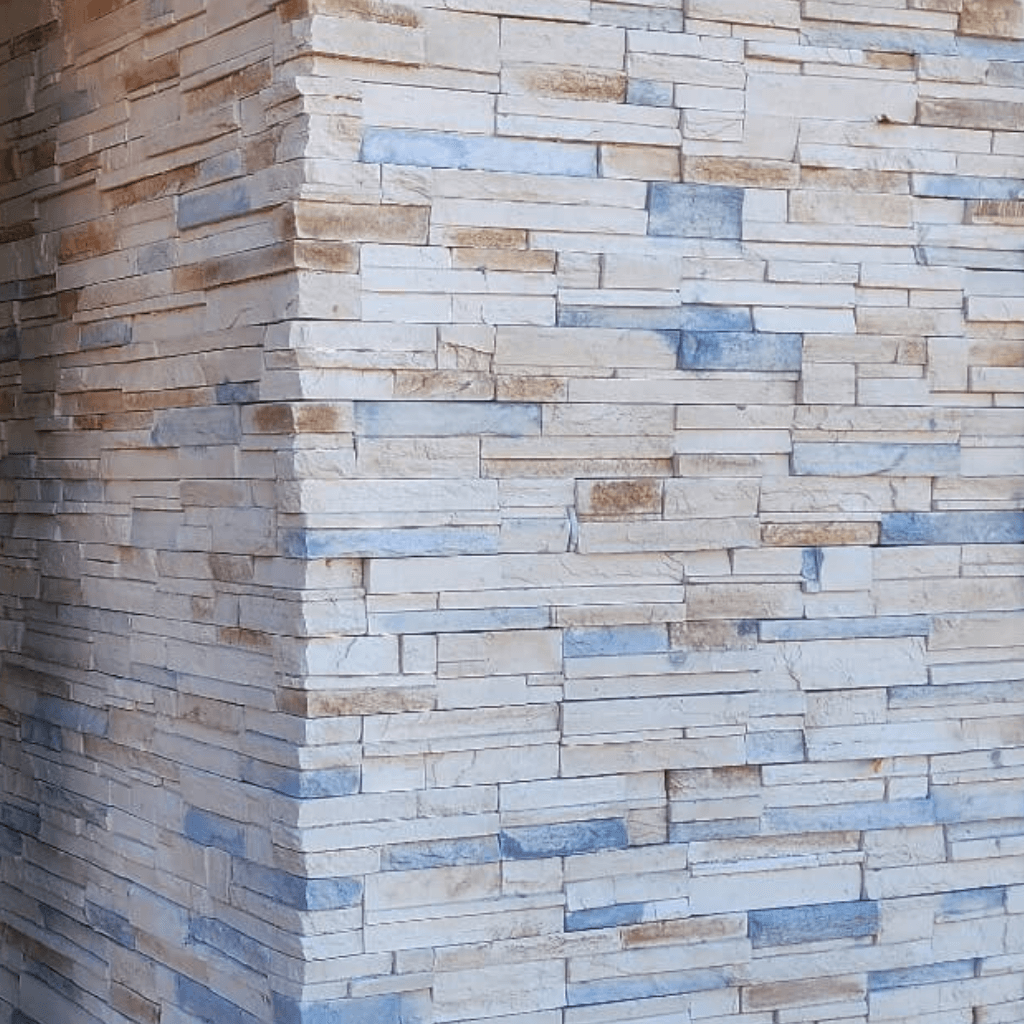
Proper installation plays a major role in how thin stone veneer holds up over time.
Careful surface preparation, moisture control, and precise placement help the stone stay secure and look its best.
Hiring experienced installers reduces the risk of problems like cracking, movement, or water damage, so the finished work remains strong, attractive, and reliable for years.
Attention to detail makes the difference
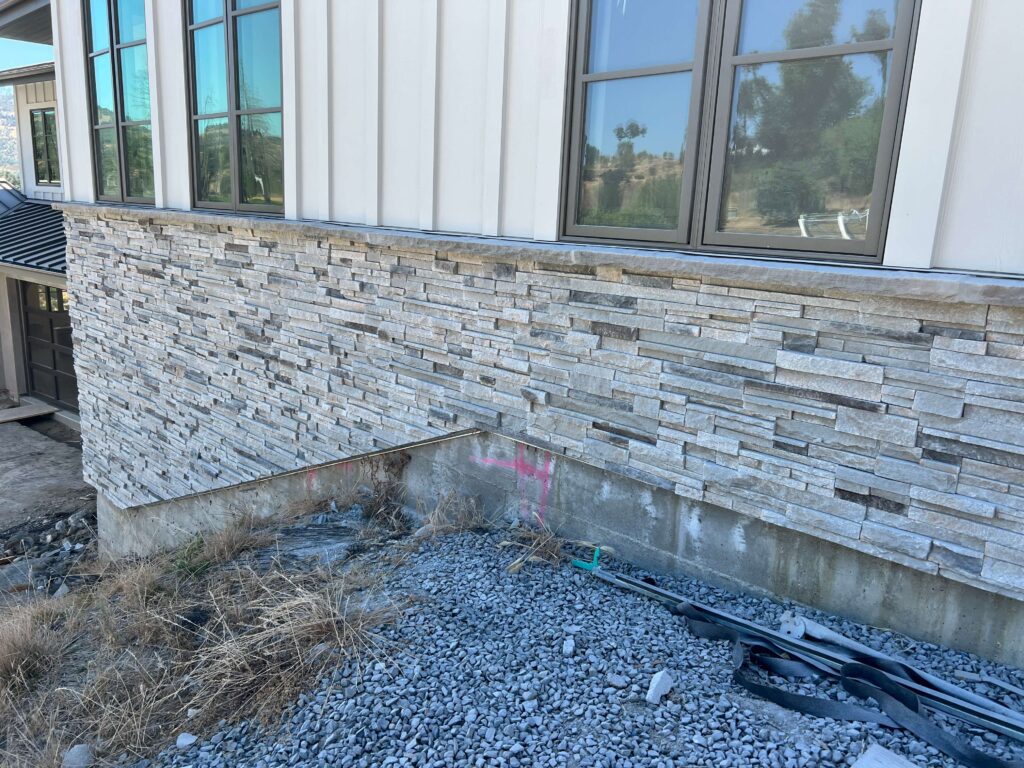
Experience also matters when planning the layout and overall finish.
Skilled installers understand how to balance stone size, color variation, and joint spacing to create a natural, cohesive look.
This attention to detail helps avoid awkward cuts or uneven patterns, resulting in a finished surface that feels intentional, polished, and built to last.
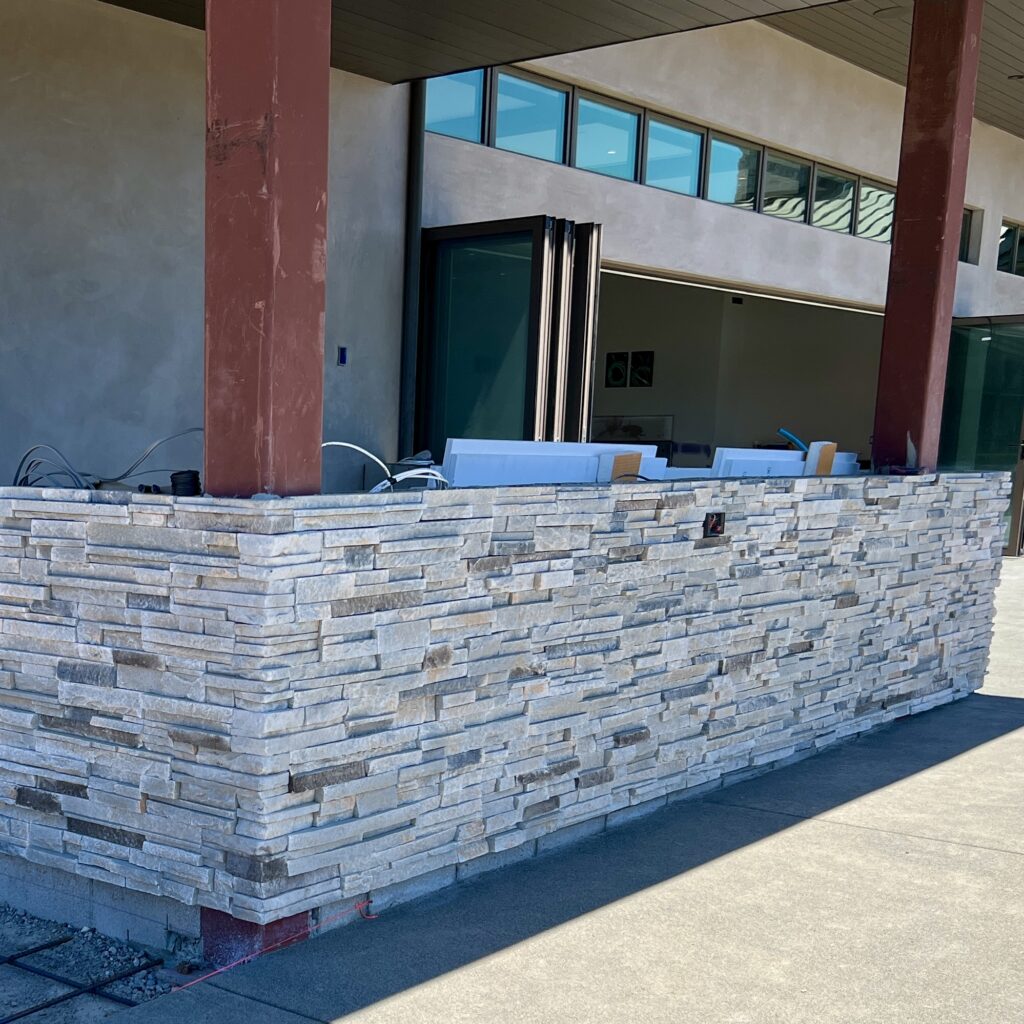
Frequently Asked Questions About Thin Stone Veneer
What is thin stone veneer?
Thin stone veneer is a lightweight stone facing made from natural or manufactured stone that replicates the look of full depth stone without the added weight or structural load. It is commonly used on fireplaces, exterior facades, accent walls, and entry features where the appearance of stone is desired without the need for additional foundation support. When properly installed, thin stone veneer delivers the look and durability of natural stone in a more flexible application.
Can thin stone veneer be used indoors and outdoors?
Yes, thin stone veneer can be installed in both interior and exterior applications when the correct materials and installation methods are used. It is commonly used indoors on fireplaces and accent walls, and outdoors on facades, entryways, and other architectural features. Exterior installations require proper surface preparation, moisture management, and flashing to ensure long-term performance and durability.
What’s the difference between natural and manufactured stone veneer?
Natural thin stone veneer is cut from real quarried stone, offering authentic texture, color variation, and long term durability. Manufactured (or cultured) stone veneer is made from concrete and aggregates molded to resemble natural stone, resulting in a more uniform appearance and lighter weight. Both options can perform well when properly installed, and the best choice depends on the project location, design goals, and performance requirements.
Does thin stone veneer require sealing or maintenance?
Thin stone veneer generally requires minimal maintenance when properly installed. In most cases, routine cleaning with mild soap and water is sufficient to keep the surface looking its best. Sealing may be recommended in certain environments or applications, such as high moisture or high traffic areas, depending on the type of stone and manufacturer guidelines.
How long does thin stone veneer last?
When properly installed, thin stone veneer can last for decades. Its longevity depends on correct surface preparation, moisture management, and quality installation, as well as exposure to weather and environmental conditions. Properly installed thin stone veneer holds up well over time and maintains both its appearance and performance.
Why should I hire a professional masonry contractor for thin stone veneer installation?
Thin stone veneer installation requires proper surface preparation, moisture management, and precise placement to ensure long term durability and performance. Professional masonry contractors understand substrate requirements, flashing details, and installation best practices that help prevent common issues such as adhesion failure or moisture intrusion. Hiring an experienced mason helps ensure the veneer is installed correctly, looks clean, and holds up over time.
Request a Free Thin Stone Veneer Estimate
Get expert guidance, honest pricing, and professional installation from an experienced masonry contractor.